Scholarship
Publications
Books, chapters, journal articles, and conference proceedings across problem-based learning, educational technology, and higher education.
White Papers & Reports
Click any cover to open the full report (PDF).
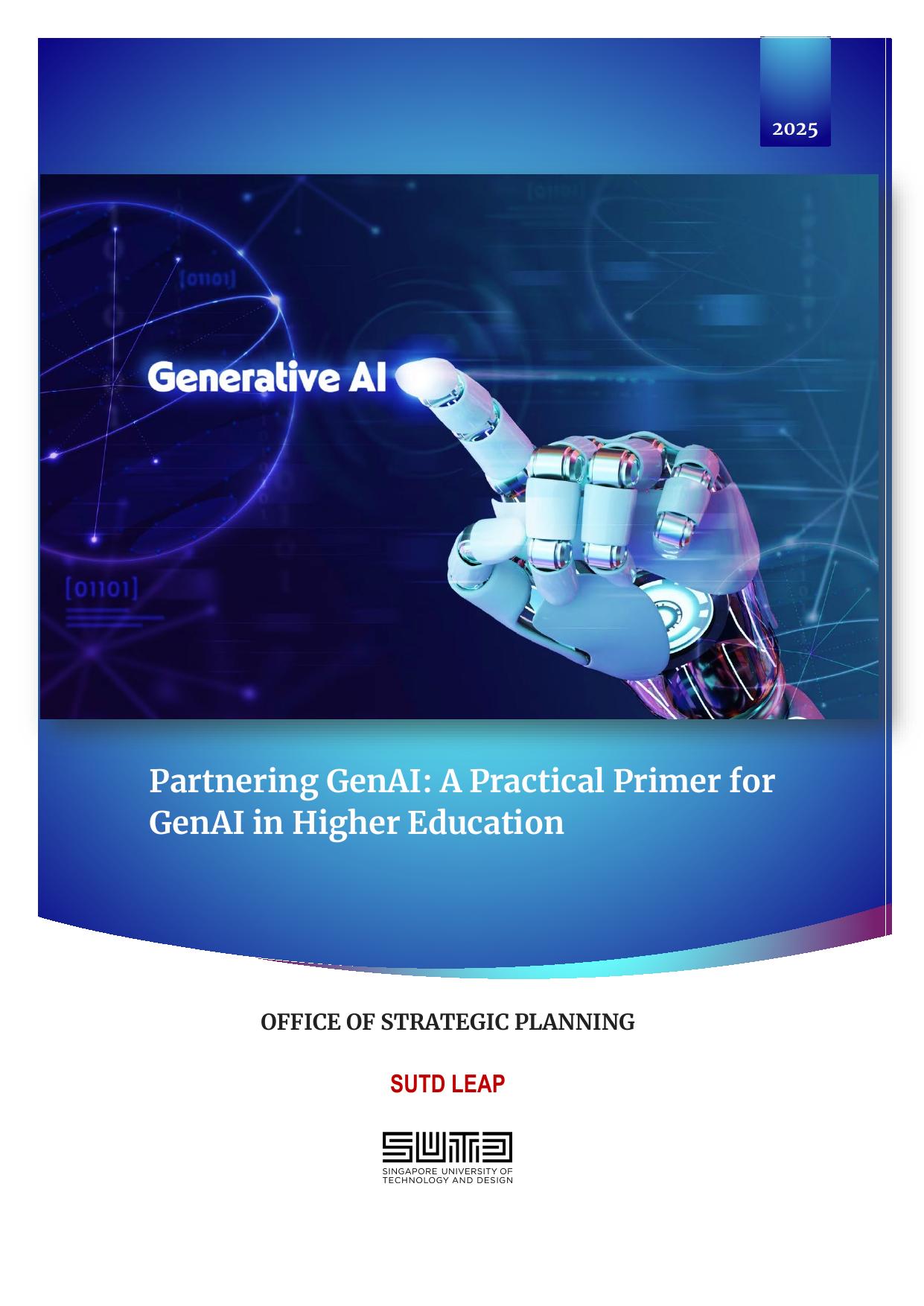
Generative AI Primer
A guide for faculty and staff on GenAI integration in teaching and learning · SUTD · 2025
Open PDF →
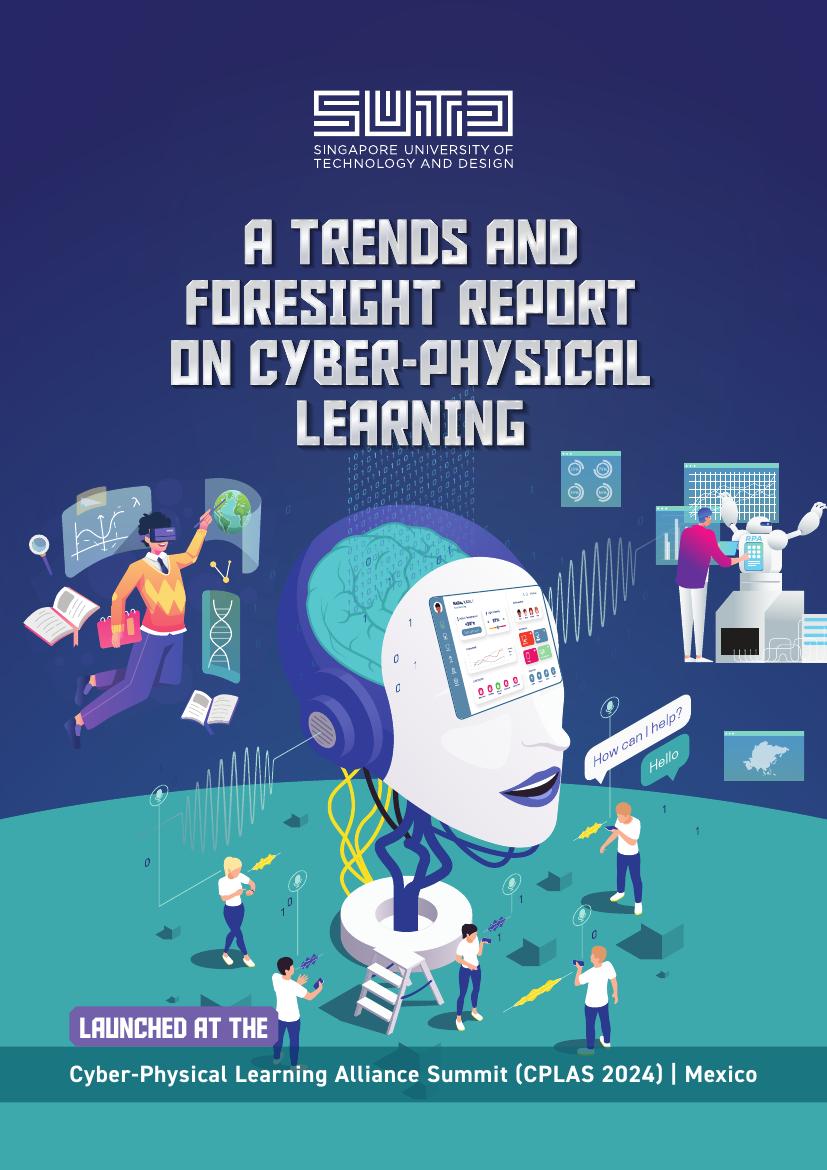
Trends and Foresight Report on Cyber-Physical Learning
SUTD · 2024
Open PDF →
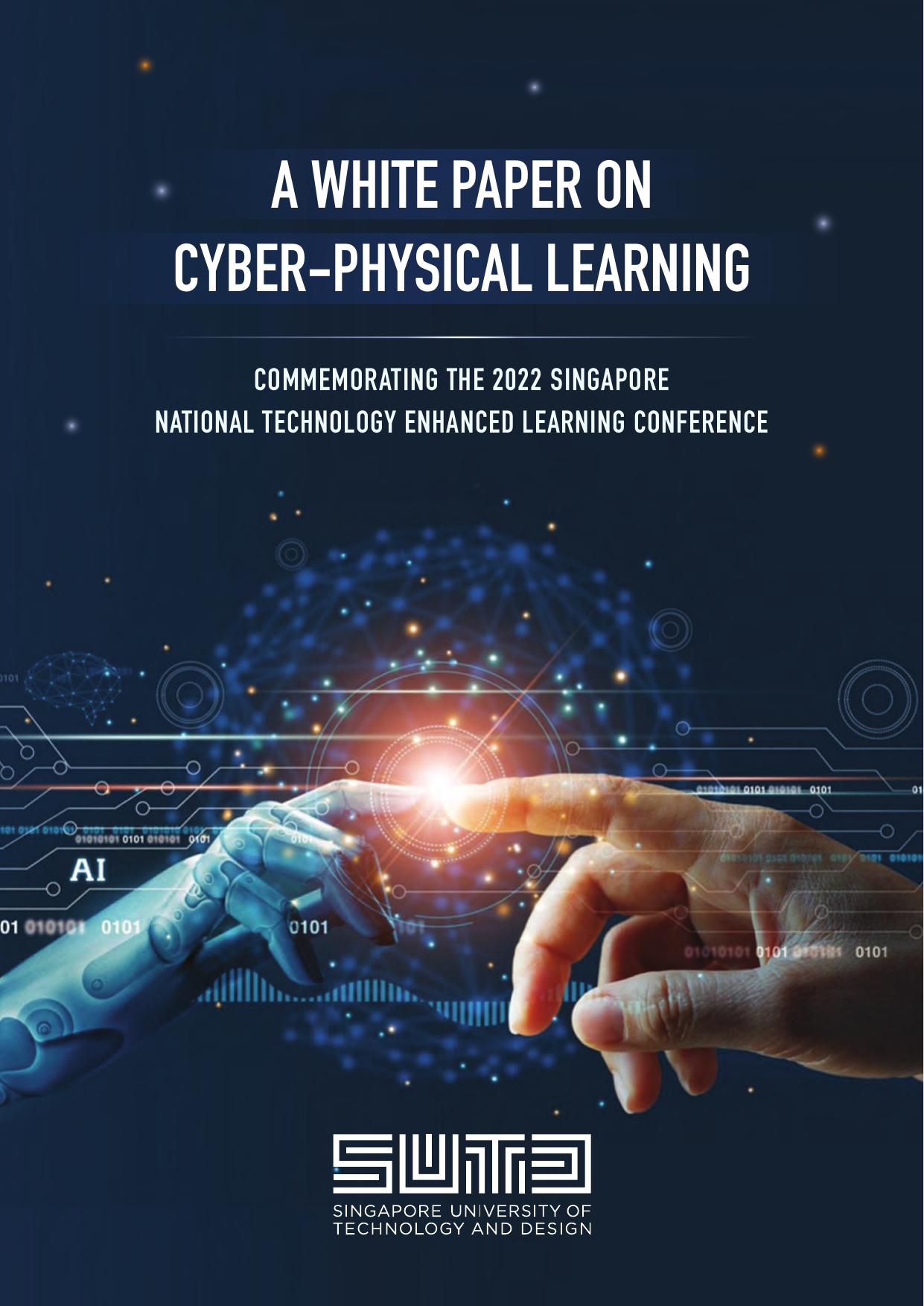
A White Paper on Cyber-Physical Learning
Commemorating the 2022 Singapore National Technology Enhanced Learning Conference
Open PDF →
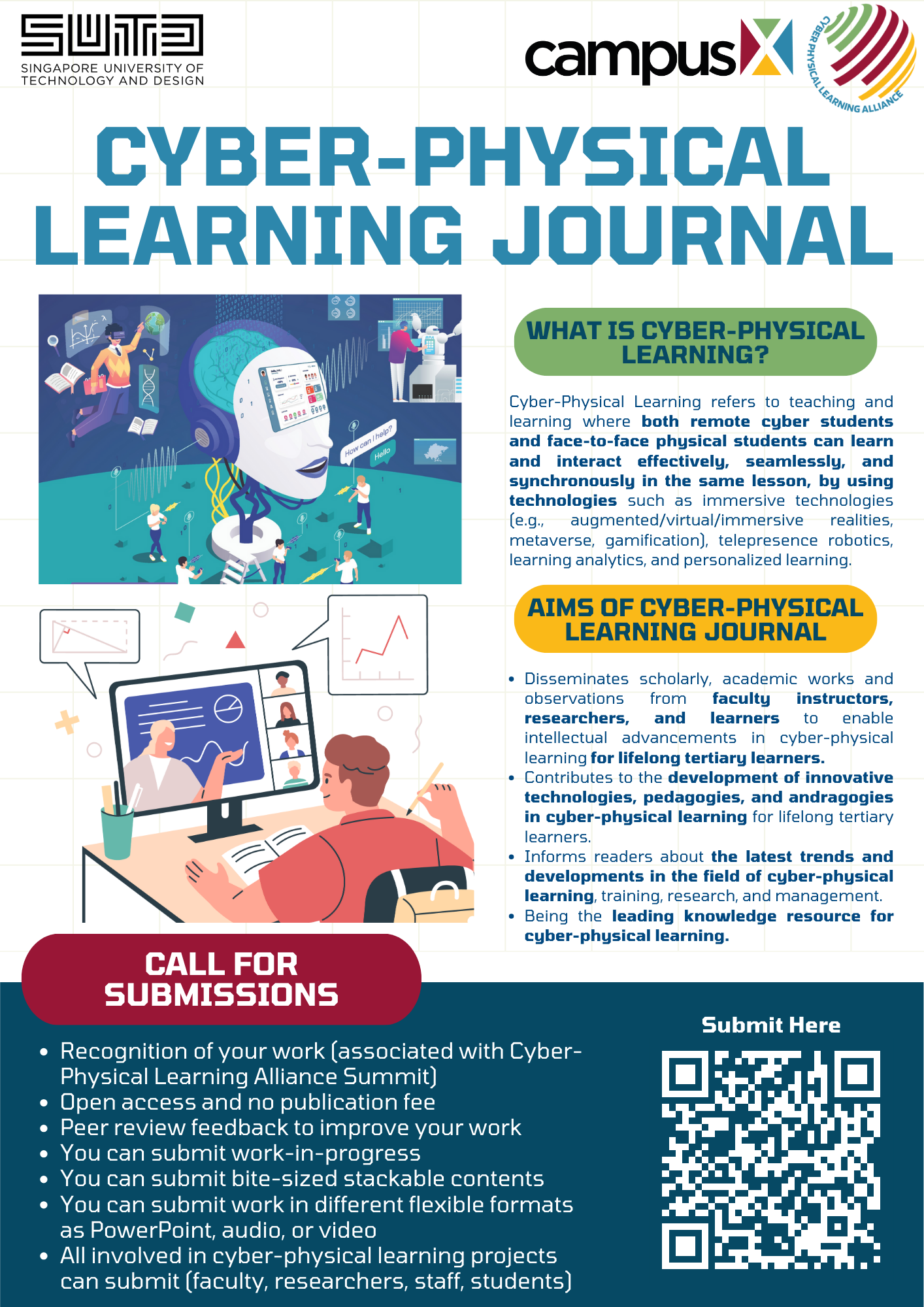
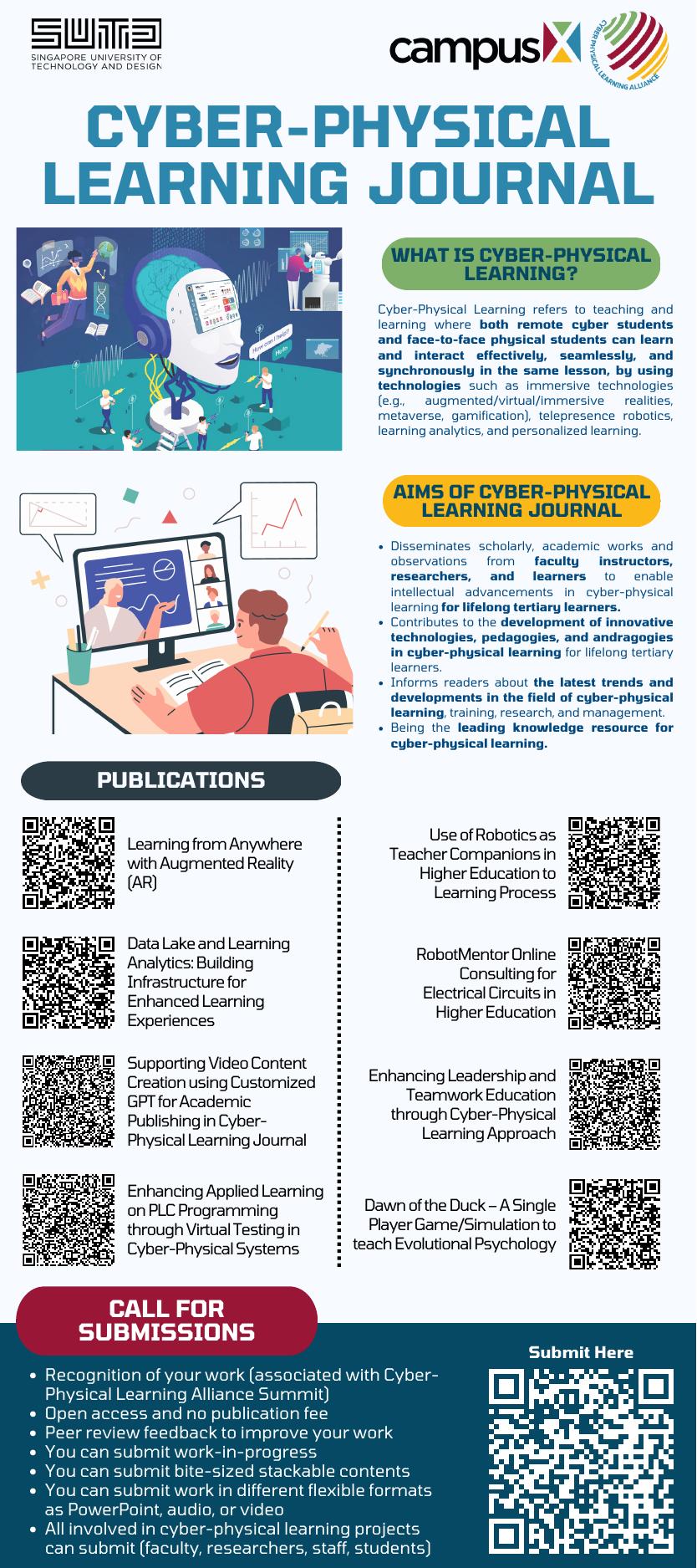
Cyber-Physical Learning Journal (CPLJ)
Chief Editor of the Cyber-Physical Learning Journal — an open-access journal disseminating scholarly work on cyber-physical learning, published in collaboration with SUTD, CampusX and the Cyber-Physical Learning Alliance. Click a cover to open the file.
EduSCAPES — SUTD Pedagogy Newsletter
Chief Editor and contributor. Click any cover to open the full issue (PDF).
EduSCAPES 2021
SUTD Pedagogy Newsletter — 2021 Edition
Open PDF →
EduSCAPES 2020
SUTD Pedagogy Newsletter — 2020 Edition
Open PDF →
EduSCAPES 2019
SUTD Pedagogy Newsletter — 2019 Edition
Open PDF →
EduSCAPES 2018
SUTD Pedagogy Newsletter — 2018 Edition
Open PDF →
EduSCAPES 2017
SUTD Pedagogy Newsletter — 2017 Edition
Open PDF →
Publications & Papers
- Sockalingam, N. (In publication). Regional Guidebook on Project-based Learning and Tele-collaboration.
- Sockalingam, N. (2022). Preparing graduate students to be teaching assistants in a student-centered learning context (submitted).
- Rodriguez, J. D. S., Joyce, S. C., Sockalingam, N., Eng Tat, K., & Julfendi. (2026). Student perceptions of large language models use in self-reflection and design critique in architecture studio [Preprint]. arXiv. https://doi.org/10.48550/arXiv.2602.00041
- Puri, G., Sockalingam, N., & Herremans, D. (2026). Digital Lifelong Learning in the Age of AI: Trends and Insights. arXiv preprint arXiv:2602.03114.
- Sockalingam, N., Huang, Q., Willems, T., & Poon, K. W. (2025). Innovative “tool-to-teammate” instructional strategy for using ChatGPT in higher education. EDULEARN25 Proceedings, 7891–7900. https://doi.org/10.21125/edulearn.2025.1969
- Sockalingam, N., Liu, S. Y., Huang, Q., Kaur, A., & Willems, T. (2025). Adaptors’ and innovators’ failure tolerance and innovative tendencies in design-based learning. Thinking Skills and Creativity, 57, 101832.
- Sockalingam, N., Lo, K., Teo, J., Cheah, C. W., Chow, D. J. J., Herremans, D., Lee, M. L. J., Kurniawan, O., Wang, Y., & Pey, K. L. (2025). Towards the future of education: Cyber-physical learning. Discover Education, 4(82). https://doi.org/10.1007/s44217-025-00474-x
- Sockalingam, N. (2025). Generative AI primer: A guide for faculty and staff on GenAI integration in teaching and learning. Singapore University of Technology and Design (SUTD).
- Leo, C. H., Sockalingam, N., Tan, M. X., Zhu, Y., & Khoo, X. (2025). Instructional Design and Implementation of an Inquiry-Based Laboratory Class for Undergraduate Engineering Students. Biomedical Engineering Education, 5(2), 347–355.
- Salazar Rodriguez, J. D., Joyce, S. C., Sockalingam, N., Khoo, E. T., & Julfendi. (2025). Large Language Models in Architecture Studio: A Framework for Learning Outcomes. arXiv preprint arXiv:2510.15936.
- Willems, T., Khan, S., Huang, Q., Camburn, B., Sockalingam, N., & Poon, K. W. (2025, December). To Use or to Refuse? Re-Centering Student Agency with Generative AI in Engineering Design Education. In 2025 IEEE International Conference on Teaching, Assessment, and Learning for Engineering (TALE) (pp. 1–8). IEEE.
- Huang, Q., Sockalingam, N., Willems, T., & Poon, K. W. (2025, December). Designing Knowledge Tools: How Students Transition from Using to Creating Generative AI in STEAM classroom. In 2025 IEEE International Conference on Teaching, Assessment, and Learning for Engineering (TALE) (pp. 1–8). IEEE.
- Sockalingam, N., Willems, T., & Poon, K. W. (Eds.) (2024–present). [Re]Imagine Education Newsletter. SUTD.
- Kurniawan, O., Poskitt, C. M., Al Hoque, I., Lee, N. T. S., Jégourel, C., & Sockalingam, N. (2023). How Helpful do Novice Programmers Find the Feedback of an Automated Repair Tool? arXiv:2310.00954.
- Siddhant, S., Oka, K., & Nachamma, S. (2021). Extended reality for enhanced learning beyond the classroom: three pandemic-proof prototypes. ICON-BITS 2021.
- Kurniawan, O., Lee, N. T. S., & Sockalingam, N. (2021). Is augmented reality robot as effective as physical robot in motivating students to learn Programming? IEEE TALE.
- Sockalingam, N., Pey, K. L., Lim, S. C. (2021). Transforming engineering education: a case study of SUTD. Advances in Engineering Education.
- Wong, Y., Kanao, I., Sockalingam, N., Joyce, S. C. (2020). Teaching structures to architects — Think, Experience, Communicate and Design. IASS Annual Symposium 2020.
- Sockalingam, N., & Liu, J. (2020). Designing learning experiences for online teaching and learning. EduSCAPES 2020.
- Sockalingam, N. (2019). ISSOTL 2019 Fellows Spotlight — Nachamma Sockalingam. International Society for the Scholarship of Teaching and Learning.
- Sockalingam, N., & Pey, K. L. (2019). Benchmarking educational development centres in Singapore's universities. EduSCAPES 2019.
- Sockalingam, N., & Pey, K. L. (2019). Big-D at SUTD. EduSCAPES 2019.
- En, C. Y., & Sockalingam, N. (2018). Engaging students as partners in teaching. EduSCAPES 2018.
- Sockalingam, N. (2018). Educational development at SUTD. EduSCAPES 2018.
- Kurniawan, O., Lee, N., Datta, S., Sockalingam, N., & Pey, K. L. (2018). Effectiveness of physical robot versus robot simulator in teaching introductory programming. IEEE-TALE 2018.
- Sockalingam, N. (2018). Educational development centres in Singapore. ISSOTL 2018, Bergen.
- Sockalingam, N., Yi, N. J., Nguyen, T. N., & Tan, C. H. (2017). Learning to teach as Graduate Teaching Assistants at SUTD. EduSCAPES 2017.
- Sockalingam, N. (2017). Designing blended learning. Blackboard TLC Asia conference, Singapore.
- Sockalingam, N. (2016). Integrating 21st century skills with content. EduTech Asia, Singapore.
- Sockalingam, N. (2016). Engaged teaching to enhance teaching and learning. Asian Journal of the Scholarship of Teaching and Learning, 6(2), 122–128.
- Tan, J., & Sockalingam, N. (2016). Gamification to engage students in higher education. In Thinking, Learning and Training — Practical Perspectives. National Library Board: Singapore.
- Cho, Y. H., Caleon, I. S., & Kapur, M. (Eds.) (2015). Authentic problem solving and learning in the 21st century: Perspectives from Singapore and beyond. Singapore: Springer. (Contributor)
- Sockalingam, N. (2015). A design model for problem-based learning. In Authentic problem solving and learning in the 21st century (pp. 41–55). Singapore: Springer.
- Sockalingam, N. (2015). Online teaching for academic continuity during emergency situations. Singapore Technology-Enabled Learning Conference.
- Ducrot, J., & Sockalingam, N. (2015). Students' perspectives on flipped classroom implementation in higher education. Emerging Technologies for Online Learning, Texas.
- Sockalingam, N., Martins, D. B., & Frezzati, F. (2014). Practical issues in implementing problem-based learning: an international perspective. PAN PBL APB, Chile.
- O'Grady, G., Yew, E. H. J., Goh, K. P. L., & Schmidt, H. G. (Eds.) (2012). One-day, one-problem: An approach to problem-based learning. Singapore: Springer. (Contributor)
- Sockalingam, N., & Schmidt, H. G. (2012). Characteristics of effective problems. In One Day, One Problem. Singapore: Springer.
- Sockalingam, N. (2012). A regional guidebook on project-based learning and tele-collaboration. Bangkok: UNESCO.
- Sockalingam, N. (2012). Evaluation of student satisfaction — a mission-based approach. Studies in Learning, Evaluation Innovation and Development, 9(1), 168–188.
- Sockalingam, N., & Schmidt, H. G. (2012). Does the extent of problem familiarity influence students' learning in problem-based learning? Instructional Science, 41(5), 921–932.
- Sockalingam, N., Lindert, A. T., & Schmidt, H. G. (2012). Stability of student ratings in problem quality rating scale. AERA, Vancouver.
- Sockalingam, N. (2012). Student evaluation: are we measuring what we intend to measure? AERA, Vancouver.
- Sockalingam, N., & Aggarwal, N. (2012). A guidebook for teaching adult learners. UniSIM publication.
- Sockalingam, N., & Aggarwal, N. (2011). Challenges and strategies in teaching adult learners. Teaching and Learning Higher Education Conference, NUS.
- Sockalingam, N., Rotgans, J., & Schmidt, H. G. (2011). The relationships between problem-characteristics, achievement-related behaviors, and academic achievement in problem-based learning. Advances in Health Sciences Education, 16(4), 481–490.
- Sockalingam, N., Rotgans, J., & Schmidt, H. G. (2011). Assessing the quality of problems in problem-based learning. International Journal of Teaching and Learning in Higher Education, 24(1).
- Sockalingam, N. (2010). Characteristics of problems in problem-based learning. Rotterdam: Erasmus University Rotterdam, EUR publishing.
- Sockalingam, N., Rotgans, J., & Schmidt, H. G. (2010). Student and tutor perceptions on attributes of effective problems in problem-based learning. Higher Education, 62(1), 1–16.
- Sockalingam, N., & Schmidt, H. G. (2010). Characteristics of problems for problem-based learning: the students' perspective. Interdisciplinary Journal of Problem-based Learning, 5(1), 6–33.
- Sockalingam, N., & Schmidt, H. G. (2008). Perspectives on the problem characteristics for problem-based learning. AERA, New York.
- Sockalingam, N. Embracing technological advancement in education. Education Technology Insights.
- Sockalingam, N., & Schmidt, H. G. The relation between student satisfaction and student performance in blended learning curricula.
- Sockalingam, N., et al. GameLead: A gamified application to engage learners. Singapore Management University institutional repository.
- Sockalingam, N., et al. Game-based versus gamified learning platform in helping university students learn programming.
- Chief Editor and contributor of numerous articles in EduSCAPES, SUTD Pedagogy Newsletter.
Other Writings
- Teaching Adult Learners at UniSIM2013
- What should success in education look like in Singapore2013
- Will Winds of Change be for the Better2012
- Understanding Adult Learner's Needs2012
- Structuring Discussion to Engage Students2011
- Questioning Skills to Engage Students2011
- Designing Problems for Problem-based Learning2011
Invited Presentations
Other Presentations
- Online Teaching for Academic Continuity during Emergency Situations. Singapore Technology-Enabled Learning Conference (2015).
- Gamification to Engage Students in Higher Education. International Conference on Learning and Teaching, Singapore (2015).
- Students' Perspectives on Flipped Classroom Implementation in Higher Education. Emerging Technologies for Online Learning, Texas (2015).
- Practical Issues in Implementing Problem-based Learning: An International Perspective. PAN PBL APB, Chile (2014).
- Evaluation of Student Satisfaction — A Mission Oriented Approach. Australasian Higher Education Evaluation Forum (2012).
- Student Evaluation: Are We Measuring What We Intend to Measure? AERA, Canada (2012).
- Stability of Student Ratings in Problem Quality Rating Scale. AERA, Canada (2012).
- Characteristics of Effective Problems. Third International PBL Symposium, Singapore (2012).
- Challenges and Strategies in Teaching Working Professionals and Adult Learners. 6th International Conference on Teaching and Learning in Higher Education, Singapore (2011).
- The Relation between Student Satisfaction and Student Performance in Blended Learning Curricula. 18th International Conference on Learning, Mauritius (2011).
- Development and Validation of a Questionnaire to Assess Problem Familiarity, Interestingness and Learning Goals. AERA, San Diego (2009).
- Eleven Characteristics of Effective PBL Problems. 2nd International Problem-Based Learning Symposium, Singapore (2009).
- Perspectives on the Problem Characteristics for Problem-Based Learning. AERA, New York (2008).
- Do Students and Tutors Differ in Their Perceptions of Problem Effectiveness in Problem-Based Learning. Teaching and Learning in Higher Education, Singapore (2008).
Workshops
Integrating Technology in Problem/Project-based Learning
INTI University, Malaysia
Emergency Preparedness for Teaching and Learning (22 workshops)
Singapore Management University
Blended Learning Workshops (2)
Singapore Management University
Introduction to PBL and PBL Problems
University of Parana, Brazil
Designing Effective PBL Problems
University of Sao Paulo, Brazil
Engaging Adult Learners
SIM University, Singapore
Effective Presentation Skills
SIM University, Singapore
Designing Effective PBL Problems
University of British Columbia, Canada
Designing Problems for Problem-based Learning
NTU, Singapore
Problem Crafting and Certification of Problem Designers
For Australian Parramatta High School, at Republic Polytechnic
The PBL Experience (Molecular Biology)
International PBL Symposium, Republic Polytechnic
30+ workshops on Problem-based Learning (Foundations, Problem design, Scaffolding, Module design, Curriculum development)
Republic Polytechnic, Singapore
Consultations
- 2012–2013Project-based LearningUNESCO, Bangkok
- 2012Assessing the Impact of a New Blended Learning LMS on Students' LearningLittle Lives